
Home Safety for Autism: Practical Wandering Prevention Tips for Families
By George Voll, President, J&J Security Services Corp.
If you're reading this because you're worried about a child, a sibling, or a loved one who wanders, I want you to know something first: you are not alone, and you are not overreacting. Over the years, I've spoken with many parents and caregivers across Central Florida who carry a quiet, constant kind of vigilance: checking the locks twice, keeping one ear open at night, never quite able to fully relax; that kind of love is exhausting, and it deserves to be acknowledged before we talk about anything else.
Every family's situation looks different. Not every autistic child or adult wanders, and wandering doesn't look the same from one household to the next. What I've learned after more than three decades in the home safety business is that the families who feel most at peace aren't the ones who eliminate every risk; that's not realistic for anyone. They're the families who've built a thoughtful, layered plan and who keep adjusting it as their loved one grows and changes. This article is meant to help you start, or strengthen, that plan.
What Is Wandering (Elopement), and Why Does It Happen?
In the context of autism and other developmental or cognitive disabilities, "wandering," sometimes called "elopement," refers to a person leaving a safe, supervised space without a caregiver's knowledge. That might mean slipping out a front door, climbing through a window, or walking away from a caregiver in a public place.
Wandering isn't a behavior problem or a reflection of bad parenting. For many individuals, it happens for reasons that make sense once you understand them:
- Curiosity or exploration: being drawn toward something interesting, like water, animals, or a favorite location.
- Escaping an overwhelming environment: loud noises, bright lights, crowds, or unexpected changes can feel intolerable to someone with sensory sensitivities.
- Seeking a specific sensory experience: some individuals are drawn to open water, trains, or other specific sights and sounds.
- Communication differences: if it's hard to express discomfort, boredom, or a need, leaving the space can feel like the only available option.
- Following a routine or fixation: heading toward a familiar destination, like a former home or a favorite park.
I share these not to generalize about anyone's experience, because every individual is different, but to help families understand that wandering usually has a "why" behind it. Recognizing patterns in your own loved one's wandering (the time of day, the trigger, the destination) is often the first and most valuable safety step you can take, and it's something worth discussing with your child's care team.
Home safety matters here because most wandering incidents begin at home. A door left unlocked for a moment, a window without a sensor, a distracted minute during a busy morning; these are ordinary, human moments that any caregiver can relate to. The goal of home safety planning isn't to blame yourself for those moments. It's to build a home environment that gives you a little more time, a little more warning, and a little more peace of mind.
Practical Home Safety Recommendations for Families
No single product or strategy prevents wandering on its own. What works is a layered approach: several smaller safeguards working together, backed by supervision and an individualized plan. Here are the areas I'd encourage every family to review.
Securing Doors and Entry Points
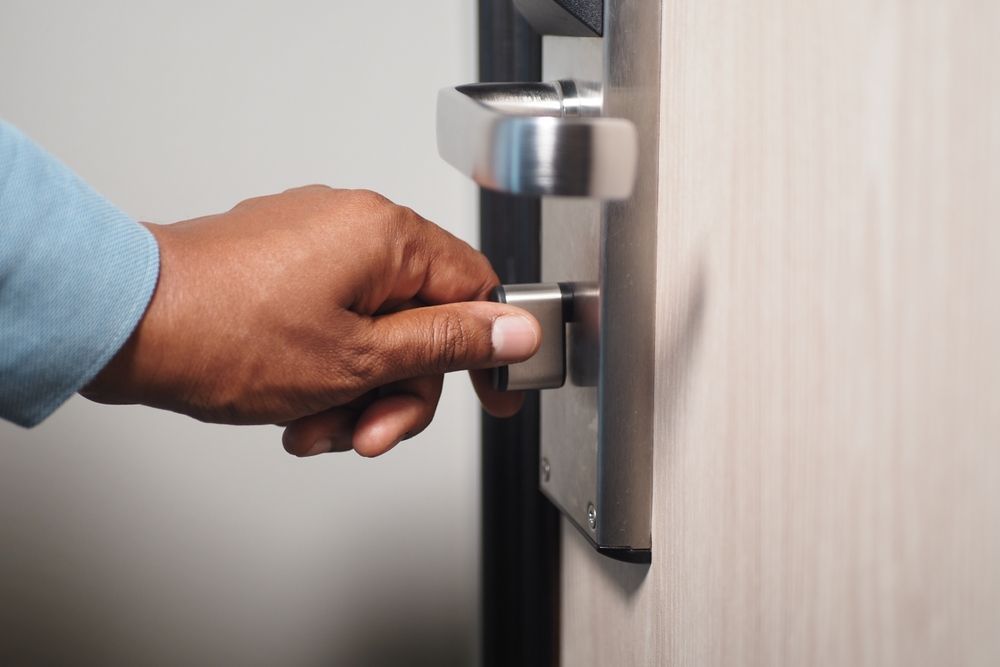
- Install door alarms or chimes on all exterior doors, including garage entry doors, so you're alerted the moment a door opens.
- Consider deadbolts or locks placed above typical reach height, and be mindful of local fire and egress codes when doing so.
- Use childproof covers on doorknobs as an added layer, while making sure they don't interfere with emergency exit needs.
Window Safety
- Add window sensors or alarms, especially on ground-floor rooms and bedrooms.
- Use window locks or limiters that still allow the window to open partially for ventilation and emergency egress.
- Keep furniture that could be used to reach and climb out of a window away from windows.
Alarms, Sensors, and Smart Locks
- Door and window sensors connected to a monitored alarm system can notify you the instant an entry point is opened, and can also alert a monitoring center if you choose that option.
- Motion sensors in hallways or near exits can add another layer of awareness, particularly overnight.
- Smart locks allow you to check lock status remotely and receive alerts if a door is unlocked or opened unexpectedly.
Outdoor Cameras and Lighting
- Outdoor cameras near doors, driveways, and gates can help you see what's happening in real time and review footage if needed.
- Motion-activated exterior lighting improves visibility around your home at night, which supports both safety and general awareness.
- If your property backs up to water, roads, or other higher-risk areas, cameras positioned toward those zones can offer extra reassurance.
Fencing and Yard Safety
- Where appropriate for your property, secured fencing with self-latching,
- self-closing gates can create a buffer around pools, driveways, and open yard space.
- Pool alarms and pool fencing are especially important given how often water is a destination during wandering incidents.
Emergency Planning and Family Communication
- Create a written safety plan that includes your loved one's likely destinations, communication abilities, and any sensory triggers, and share it with everyone in the household.
- Keep a recent photo and a brief description on hand that you could quickly share with 911 or neighbors if needed.
- Practice a "what to do if" conversation with siblings, grandparents, and regular caregivers so everyone knows their role.
Neighborhood Awareness
- Consider introducing yourself to close neighbors and sharing basic information about your loved one, if you're comfortable doing so, so they know who to call if they see them alone.
- Some families choose to notify local first responders in advance; many police and fire departments keep voluntary registries for this exact purpose.
Emergency Contact Information
- Keep emergency contacts, including your loved one's physician, therapists, and a trusted neighbor, easily accessible, both on paper and in your phone.
- Some families use a simple wallet card, medical bracelet, or shoe tag with a phone number and brief note about communication needs.
Wearable GPS Devices
Wearable GPS trackers are one option some families choose to explore, often in consultation with their care team, as an additional layer for locating a loved one quickly if they do leave a safe area. These devices vary widely in features and reliability, so it's worth researching options carefully and discussing fit with your family's specific needs.
I want to be clear about something: none of these tools (locks, cameras, sensors, or GPS devices) replace active supervision or an individualized safety plan built with your loved one's care team. Technology can extend your awareness and buy you precious time, but it works best as one part of a broader approach, not a
stand-alone solution.
How Home Security and Smart Technology Can Support Caregivers
This is where our work at J&J Security Services Corp. genuinely intersects with what families are going through, and I want to explain it honestly rather than as a sales pitch.
A professionally installed and monitored security system can help in a few specific, practical ways:
- Instant notification when a door or window opens. Rather than hoping you notice, you receive an alert on your phone the moment an entry point is triggered, day or night.
- Camera visibility around your property . Being able to check a live camera feed, or review recent footage, can help you quickly confirm whether your loved one is still inside or has stepped outside.
- Remote monitoring from anywhere. Whether you're in another room, at work, or checking in while a caregiver is at home, smart home integration lets you stay connected to what's happening at your property.
- Integrated smart home alerts. Sensors, locks, and cameras working together through one system mean fewer gaps and more consistent, layered coverage.
- Greater peace of mind. Many of the families I've spoken with tell me that simply knowing they'll be alerted immediately, rather than possibly minutes later, makes a meaningful difference in how they feel day to day.
I say this as plainly as I can: a security system is not a substitute for supervision, and it will not prevent every wandering incident. What it can do is close some of the gaps that exist in even the most attentive household, and give you a faster start if something does happen. That extra minute or two of warning can matter enormously.
Leaning on Your Community and Care Team
You don't have to build a safety plan by yourself, and honestly, you shouldn't try to. Some of the most valuable next steps I'd encourage are:
- Talk with your healthcare team. Pediatricians, developmental specialists, and behavioral therapists can help you understand your loved one's specific triggers and design a safety plan tailored to their needs.
- Ask about individualized safety plans. Many care teams and local autism organizations have experience helping families build wandering prevention strategies specific to their situation.
- Explore local support organizations. Central Florida is home to a number of autism and special needs support networks, parent groups, and first responder training programs; these communities are often full of practical, lived-experience advice.
- Communicate with your child's school. Schools often have their own protocols for wandering and can coordinate with you on a consistent approach between home and classroom.
- Loop in neighbors and community members thoughtfully. A brief conversation with the people nearby can turn your whole street into an extra set of eyes, if and when you need it.
A Few Words on Language and Respect
Throughout this article, I've tried to use language that respects the individuality of every person and family. Not every autistic person wanders, and wandering is not a defining characteristic of autism; it's simply a safety consideration that some families navigate. Every child, teen, and adult is different, and the right approach for your family is the one that fits your loved one, not a generic checklist. I'd encourage you to trust your own knowledge of your family above any single article, including this one.
Moving Forward, One Step at a Time
If there's one thing I hope you take from this article, it's that you don't have to do everything at once. Home safety is built in layers, over time: a door alarm this month, a conversation with your child's therapist next month, maybe a security consultation after that. Preparation, awareness, and a supportive community around you are what make the biggest difference, far more than any single device or product.
At J&J Security Services Corp., we've spent more than 30 years helping Central Florida families feel safer in their own homes. We understand that for families navigating autism or other developmental needs, "safety" carries a deeper, more personal weight. Our team has always believed that our job isn't to sell equipment; it's to help you build a home that supports the life your family is already living, with a little more confidence and a little more peace of mind.
If you're ready to take one step today, I'd encourage you to start small. Talk with your care team. Walk through your home and note the entry points that worry you most. And if you'd like a second set of eyes, our team at J&J Security Services Corp. would be glad to sit down with you for a personalized home safety consultation, not to sell you something you don't need, but to talk through what might genuinely help your family.
You're doing the hard, loving work of keeping your family safe. We'd be honored to help you along the way.
George Voll, President, J&J Security Services Corp.
FAQs
- What is wandering, and is it common in autistic children? Wandering, also called elopement, is when a person leaves a safe or supervised area without a caregiver's knowledge. It doesn't happen to every autistic child, but many families find it helpful to understand common triggers and build a home safety plan just in case.
- What home safety devices help prevent wandering? Door and window alarms, smart locks, motion sensors, outdoor cameras, and monitored security systems can all add layers of awareness. These tools work best alongside active supervision and an individualized safety plan, not as a replacement for either.
- Are wearable GPS trackers a good option for families? Wearable GPS devices are one option some families explore, often after talking with their child's care team about fit and features. They can help locate a loved one quickly if they do leave a safe area, but they work best as part of a broader safety plan.
- How can a security system help with wandering prevention? A professionally monitored security system can alert caregivers the instant a door or window opens, provide live or recorded camera footage, and allow remote monitoring from a phone. This can give families extra time and awareness, though it doesn't prevent wandering on its own.
- Who should families talk to about building a wandering safety plan? Pediatricians, developmental specialists, behavioral therapists, and local autism support organizations are all valuable resources. Many also coordinate with schools and first responders to build a consistent, individualized plan.