
Child Safety Around Swimming Pools and Ponds: Essential Tips Every Family Should Know
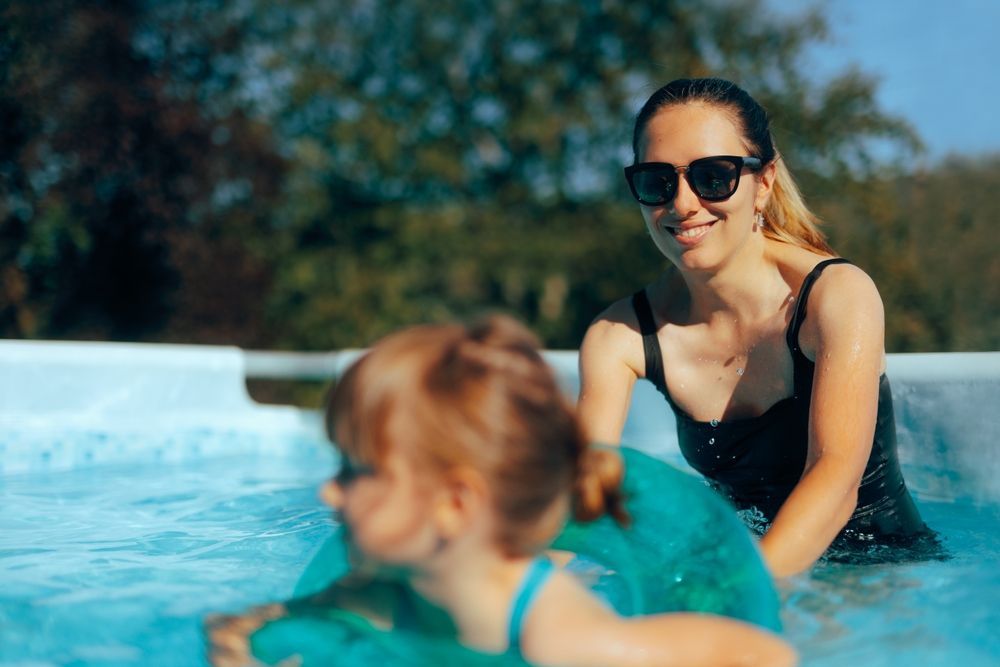
It only takes a moment. A phone rings, a doorbell chimes, a sibling calls out from another room — and in that brief window, a curious toddler can wander toward the backyard pool or pond. For families across Central Florida, where backyard pools and decorative water features are part of everyday life, this scenario is more common than most parents realize.
Water safety isn't about living in fear. It's about building simple, consistent habits and layers of protection so families can enjoy their outdoor spaces with real peace of mind. Whether you're a new homeowner with your first pool, a grandparent watching over grandchildren, or a family that has lived beside the same koi pond for years, this guide will walk you through practical, expert-informed steps to support child safety around swimming pools and other backyard water features.
Why Swimming Pools and Ponds Pose Risks for Children
Young children are naturally curious, and water is endlessly interesting to them. What makes backyard water features particularly risky is how quickly and quietly incidents can happen. Unlike many other household hazards, water accidents involving young children typically happen without splashing, screaming, or any obvious warning sign.
A few key factors contribute to the risk:
- Young children move fast. Toddlers can wander from a living room to a pool area in under a minute.
- Silence is common. Submersion often happens quietly, which is why constant, undistracted supervision matters so much.
- Ponds and water features are often overlooked. Families tend to focus safety efforts on pools while forgetting that decorative ponds, fountains, and even large buckets or bathtubs can pose similar risks for very young children.
- Multiple access points exist. Side gates, doggie doors, and unlocked patio doors can all give a child unsupervised access to water.
Understanding these realities isn't meant to alarm families — it's meant to highlight where a little extra attention and a few added layers of protection can make a meaningful difference.
Common Misconceptions About Water Safety
Many parents follow safety habits that feel protective but don't fully address the risk. Recognizing these misconceptions is the first step toward more effective child drowning prevention .
"My child knows how to swim, so we're safe."
Swimming lessons are valuable and reduce risk, but they don't replace supervision. Young children can still panic, tire quickly, or slip near a pool edge.
"I'll hear if something happens."
As noted earlier, water-related incidents are usually silent. Relying on sound alone is one of the most common — and riskiest — assumptions parents make.
"We only need to worry during pool season."
Ponds, fountains, and even empty pools that collect rainwater can pose risks year-round, not just during peak swimming months.
"A fence around the yard is enough."
A general yard fence keeps children in the yard — it doesn't necessarily keep them away from the water itself. Dedicated pool barriers serve a different, more specific purpose.
Practical Ways to Make Pools and Ponds Safer
Creating a safer backyard environment involves layering several strategies together. No single measure is enough on its own, but combined, they significantly reduce risk.
The Importance of Adult Supervision
Supervision remains the single most important safety factor. A few best practices recognized by child safety experts include:
- Designate a "water watcher" whenever children are near or in the pool — an adult whose only job is to watch the water, without distractions like phones or conversations.
- Rotate water-watching duties during gatherings so no one adult becomes fatigued or distracted.
- Keep young children within arm's reach in or near water, even if they know how to swim.
- Never assume another adult is watching unless it's been clearly communicated.
Pool Fences, Gates, and Barriers
Physical barriers create a critical layer of protection between children and water, especially when supervision briefly lapses.
Checklist for effective barriers:
- Fence is at least four feet tall
- Gate is self-closing and self-latching
- Latch is out of reach of young children
- Fence fully separates the pool from the house and yard
- Pond areas have barriers or covers, especially for households with toddlers
- Gates and fences are inspected regularly for damage or gaps
Pool Alarms and Smart Monitoring Technologies
Beyond physical barriers, technology can add another layer of awareness. Pool alarms that detect motion or surface disturbance can alert parents if someone enters the water unexpectedly. Door and gate sensors can notify homeowners if a child opens an exterior door or pool gate.
This is where smart home safety tools can complement — not replace — supervision and barriers. For example, outdoor security cameras positioned near pool or pond areas can give parents an extra set of eyes, especially during busy gatherings or when multiple children are playing outside. Smart alerts can notify a parent's phone if a gate is opened or unusual motion is detected near the water.
It's worth emphasizing: these technologies are valuable support tools , not standalone solutions. They work best when paired with active supervision, physical barriers, and water safety education.
Teaching Children Water Safety Habits
Age-appropriate water safety education helps children build lifelong habits.
- Teach children to always ask permission before going near water.
- Introduce basic swim lessons as early as recommended by a pediatrician.
- Establish clear rules: no running near the pool, no swimming without an adult present.
- Reinforce that pool covers, fences, and gates are not toys.
- Encourage older siblings to alert an adult immediately if a younger child approaches water alone — not to supervise on their own.
Emergency Preparedness and CPR Awareness
Even with strong prevention measures in place, being prepared for an emergency is an essential part of comprehensive home safety for families .
- Learn infant and child CPR through a certified course.
- Keep a phone near the pool area in case of emergency.
- Post CPR instructions or emergency numbers in a visible location near the pool.
- Ensure all caregivers, including babysitters and grandparents, know basic water safety and emergency procedures.
- Keep rescue equipment, such as a reaching pole or life ring, easily accessible near the pool.
Seasonal Reminders for Summer and Year-Round Backyard Safety
Central Florida's warm climate means pools and ponds are often in use for much of the year, but safety habits shouldn't fluctuate with the seasons.
Summer:
- Reinforce water safety rules before school lets out.
- Check that fences, gates, and pool covers are in good working condition.
- Remind visiting family and friends of your household's water safety rules.
Year-round:
- Regularly inspect barriers and locks, even in cooler months.
- Keep an eye on decorative ponds, which can be easy to overlook once regular swimming slows down.
- Revisit your family's safety plan whenever your household changes — a new baby, a visiting grandchild, or a new pet can all shift the risk landscape.
How Home Security Complements Pool Safety
Traditional water safety practices — supervision, barriers, and education — remain the foundation of protecting children. Home security solutions are best understood as a supportive layer rather than a substitute.
For families interested in adding another layer of awareness, residential security systems can include:
- Outdoor cameras positioned to monitor pool and pond areas
- Door and window sensors that alert parents when a child opens an exterior door
- Smart notifications sent directly to a caregiver's phone
- Integration with existing smart home devices for a more connected safety approach
J & J Security Services Corp. has spent more than 30 years helping Central Florida families build customized safety plans for their homes — including solutions that support, rather than replace, safe water habits.
Conclusion
Protecting children around swimming pools and ponds isn't about any single solution. It's about layering supervision, physical barriers, education, and smart technology together to create a safer backyard environment. Small, consistent habits — a self-latching gate, a designated water watcher, a CPR refresher course — add up to meaningful protection over time.
If your family is looking to strengthen your home's overall safety plan, J & J Security Services Corp. is here to help. As a family-owned company serving Central Florida for more than 30 years, we understand what it means to protect the people you love most. Reach out today for a personalized home safety assessment , and let's talk about how the right combination of monitoring and smart technology can support your family's safety goals.
FAQ
- At what age should parents start worrying about pool safety? Water safety awareness should begin as soon as a child starts crawling or walking, since young children can move toward water quickly and without warning.
- Are pool alarms enough to prevent drowning? Pool alarms are a helpful support tool but should never replace direct adult supervision and physical barriers like fences and self-latching gates.
- Do decorative ponds need the same safety precautions as swimming pools? Yes. Ponds and other backyard water features can pose similar risks for young children and should be included in a family's overall water safety plan.
- What is a "water watcher" and why is it important? A water watcher is an adult whose sole responsibility is to supervise children near water, without distractions such as phones or conversations, helping prevent gaps in supervision.
- How can home security systems support pool safety? Outdoor cameras, door sensors, and smart alerts can notify caregivers if a child approaches a pool area or opens an exterior door, adding an extra layer of awareness alongside traditional safety measures.